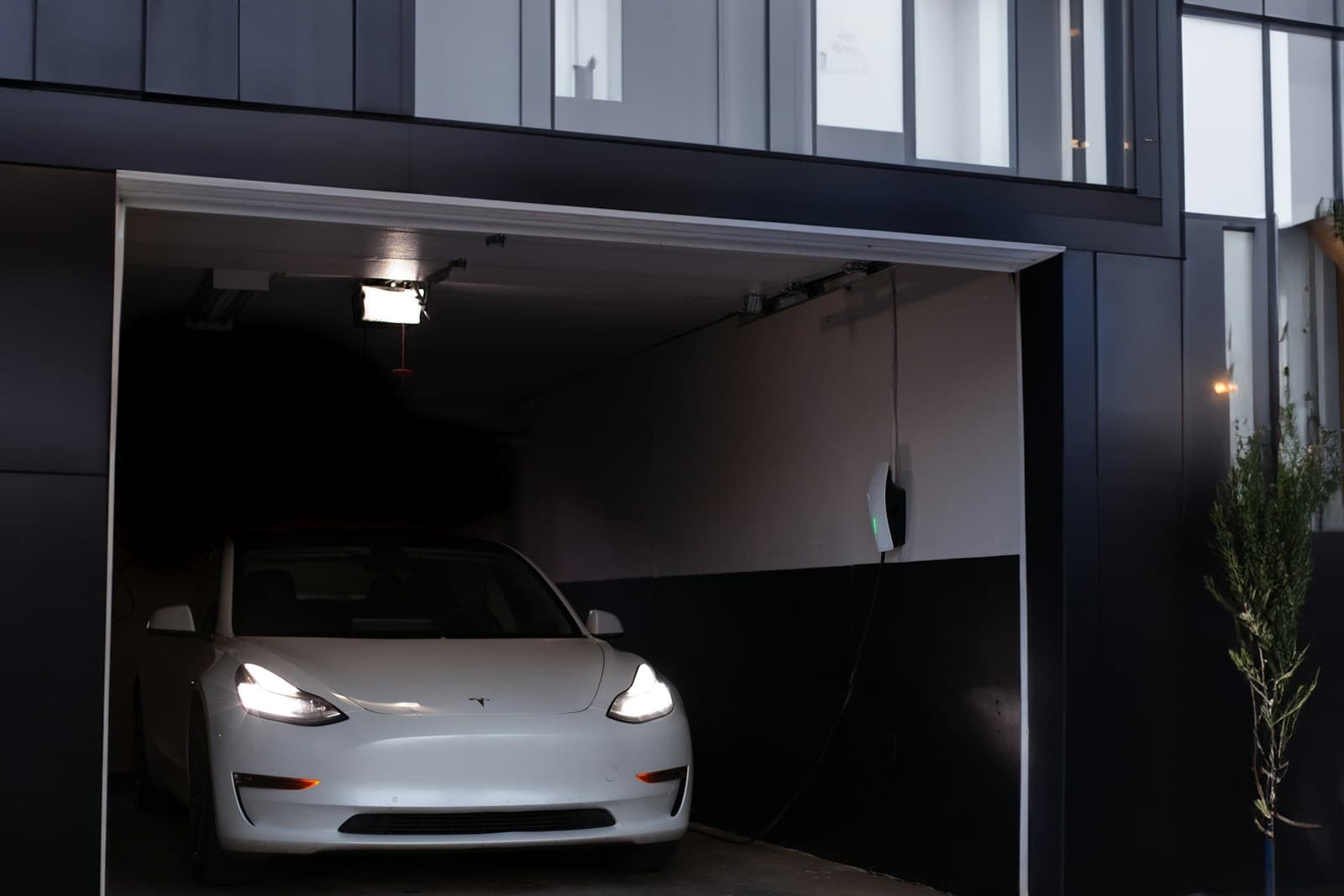
The Tesla Model 3 attracts senior drivers with its safety features and simple maintenance, but insurance costs often surprise buyers — especially those coming from traditional sedans with decades of loyalty discounts.
Why Tesla Model 3 Insurance Costs More for Seniors Than Traditional Sedans
A 70-year-old driver with a clean record typically pays $140–$180 per month for full coverage on a Tesla Model 3, compared to $95–$125 per month for a similarly valued Honda Accord or Toyota Camry. The difference comes down to specialized repair costs — Tesla-certified body shops charge substantially more for parts and labor, and the aluminum body construction requires equipment most independent shops don't have.
Insurance carriers also factor in the Model 3's advanced driver assistance features, which ironically make the car safer to drive but more expensive to repair after even minor collisions. A cracked rear camera or damaged sensor array can add $1,500–$3,000 to repair bills that would cost $400–$600 on a conventional sedan. Carriers price this reality into premiums from the first policy term.
The age penalty compounds this base cost. While many senior drivers maintain excellent records, actuarial tables show increased claim frequency after age 70, and carriers apply this multiplier to an already elevated base rate for electric vehicles. The result: a senior driver trading a paid-off Camry for a new Model 3 may see insurance costs double, even with the same coverage limits and deductibles they've carried for years.
Mature Driver Course Discounts Apply — But You Must Request Them
Most major carriers offer 5–15% discounts to drivers who complete state-approved defensive driving courses, and these discounts typically remain active for three years before requiring recertification. AARP's Smart Driver course and AAA's senior driver programs both qualify in most states, with online versions available for $20–$30 that take four to six hours to complete.
The critical detail most seniors miss: carriers rarely apply these discounts automatically, even when you've completed the course. You must submit proof of completion to your insurer and explicitly request the discount. On a $1,800 annual Tesla Model 3 policy, a 10% mature driver discount saves $180 per year — enough to cover the course cost six times over in the first term alone.
Some states mandate these discounts by law, while others leave them to carrier discretion. Florida, New York, and Illinois require insurers to offer mature driver discounts to qualifying seniors, with minimum discount thresholds set by state regulation. In discretionary states like Texas or Arizona, discount availability and amount vary widely by carrier. Check your state's Department of Insurance website for specific mandates before shopping policies.
Compare rates from carriers that specialize in senior drivers
Mature driver discounts, low-mileage rates, and coverage reviews — see what you're actually eligible for.
Get Your Free Quote✓ Mature Driver Discounts✓ No Obligation✓ Licensed Carriers✓ All 50 States
Low-Mileage and Telematics Programs Work Especially Well for Retired Drivers
Retired drivers no longer commuting 20–30 miles daily represent lower risk to carriers, but traditional policies price everyone in a zip code similarly regardless of actual miles driven. Low-mileage programs from carriers like Metromile or Nationwide's SmartMiles can reduce premiums by 20–40% for drivers logging under 7,500 miles annually — common for seniors using a Model 3 primarily for local errands and occasional longer trips.
Telematics programs like Progressive's Snapshot or State Farm's Drive Safe & Save monitor actual driving behavior through a smartphone app or plug-in device. These programs typically reward smooth acceleration, gentle braking, and limited night driving — patterns that align naturally with how most experienced senior drivers already operate. Initial discounts of 5–10% often increase to 15–30% after the monitoring period confirms safe habits.
The Tesla Model 3's built-in data logging makes it particularly compatible with telematics programs, though not all carriers can access Tesla's internal data directly. Most still require their own device or app. For a senior driver paying $160 per month for full coverage, a combined 25% discount from low-mileage and telematics programs reduces the premium to $120 per month — bringing Tesla insurance costs back in line with traditional sedans.
Full Coverage on a Financed Tesla vs. Liability-Only on Paid-Off Vehicles
If you're financing a Tesla Model 3, lenders require comprehensive and collision coverage with maximum deductibles typically capped at $1,000. This requirement protects the lender's asset but also makes financial sense for most seniors — a totaled Model 3 represents a $35,000–$50,000 loss that would devastate retirement savings if you're carrying only liability coverage.
Once the vehicle is paid off, the calculation changes. Comprehensive and collision coverage on a five-year-old Model 3 might cost $80–$100 per month, while liability-only coverage drops to $35–$50 per month. The break-even question: could you absorb a $25,000–$30,000 loss if the car were totaled? For seniors with substantial retirement assets, maintaining full coverage makes sense. For those on fixed incomes with limited savings, dropping to liability-only after payoff transfers risk but preserves monthly cash flow.
A middle path worth considering: keep comprehensive coverage (protects against theft, weather, vandalism) while dropping collision coverage (protects against at-fault accidents). Comprehensive typically costs $30–$40 per month alone, while collision accounts for the bulk of full coverage premiums. This approach protects against non-driving risks while reducing monthly costs by 40–50%.
Medical Payments Coverage and Medicare Coordination for Senior Drivers
Medical payments coverage (MedPay) pays for injury-related medical expenses regardless of fault, typically in amounts of $1,000–$10,000 per person. For senior drivers already covered by Medicare, MedPay may seem redundant — but it fills specific gaps Medicare doesn't cover, including ambulance co-pays, emergency room deductibles, and treatment costs incurred before Medicare claims process.
Medicare Part B covers accident-related injuries with a deductible (currently $240 annually) and 20% coinsurance after that. MedPay pays first, covering these out-of-pocket costs before Medicare processes claims. For seniors on fixed incomes, a $5,000 MedPay policy costing $8–$12 per month provides meaningful financial protection against the immediate medical expenses following an accident.
In no-fault states like Florida, Michigan, or New York, personal injury protection (PIP) replaces MedPay and covers medical expenses regardless of fault with higher limits but also higher premiums. PIP coordinates with Medicare similarly to MedPay, paying primary coverage for accident-related treatment. Senior drivers in these states should review their PIP limits annually — many carry legacy limits from working years that may no longer match their current medical coverage and financial situation.
How Tesla Safety Features Affect Insurance Despite Higher Repair Costs
The Model 3 earned a 5-star overall safety rating from NHTSA and Top Safety Pick+ designation from IIHS, with particularly strong scores in crash avoidance and front crash prevention. These ratings matter to carriers — vehicles with superior crash avoidance reduce claim frequency, which can partially offset the higher repair costs that drive up premiums.
Autopilot and Tesla's suite of driver assistance features create a rating complication. While these systems demonstrably reduce accidents when used properly, they also introduce liability questions and expensive repair scenarios when sensors or cameras are damaged. Carriers price both factors into premiums, and the net effect varies by insurer. Some weight safety scores heavily and offer competitive Tesla rates; others focus on repair cost data and charge substantial premiums.
For senior drivers specifically, the safety argument carries extra weight during policy negotiations. A 68-year-old driver with 50 years of accident-free driving and recent defensive driving course completion presents lower risk than actuarial age tables suggest. When shopping policies, explicitly mention your driving record, completed safety courses, and intention to use the Model 3's safety features — agents have some discretionary pricing authority, and documented safe driving history can shift you into more favorable rate tiers.
State-Specific Rate Variations and Mandated Senior Discounts
Tesla Model 3 insurance costs for senior drivers vary dramatically by state due to different liability requirements, tort systems, and insurance regulations. A 70-year-old driver in Michigan — with its unique unlimited PIP requirement — might pay $220–$280 per month for full coverage, while the same driver in Maine or Iowa might pay $110–$140 per month for identical liability limits and deductibles.
Several states mandate specific discounts or protections for senior drivers that directly affect Tesla insurance costs. California prohibits age-based rate increases after 65 for drivers with clean records, while Hawaii caps senior rate increases and requires carriers to justify age-based pricing adjustments. Massachusetts uses a regulated rating system that limits how much weight carriers can assign to age as a rating factor.
States with mature driver course mandates include Florida (minimum 10% discount for three years after course completion), New York (minimum 10% discount), and Illinois (discounts required but percentage set by carrier). Pennsylvania, Montana, and Nevada also mandate discounts but with varying minimum thresholds and renewal requirements. Before finalizing Tesla Model 3 insurance, check your state's Department of Insurance website for mandated senior discounts and programs — many seniors leave money unclaimed simply because they don't know these mandates exist.




