
Senior Driver Insurance Quotes in Gilbert: Best Rates After 65
Free to compare
Why Gilbert Senior Drivers Pay More Despite Clean Records
Auto insurance rates in Arizona typically increase 8-15% between age 65 and 75, with the steepest jumps occurring after age 70 regardless of driving history. In Gilbert specifically, carriers cite actuarial tables showing increased accident severity costs for drivers over 70, even when frequency rates remain low. This means your premium can rise 12-18% over a five-year period despite maintaining the same clean record you've had for decades.
The Arizona Department of Insurance doesn't mandate age-based rate caps, so Gilbert insurers set premiums using their own risk models. Most major carriers begin applying age-related surcharges around age 71-73, with some adding 3-5% annually after that threshold. Your actual increase depends on your carrier's specific actuarial tables and whether you've claimed available senior discounts.
What most Gilbert seniors don't realize: the mature driver course discount worth 5-10% exists at nearly every carrier in Arizona, but fewer than 22% of eligible drivers have claimed it according to AARP research. Carriers don't automatically apply it when you turn 65 or at renewal — you must complete an approved course and submit proof to your insurer. That single oversight typically costs Gilbert seniors $240-$480 annually on a standard full coverage policy.

Arizona's Mature Driver Course Discount: What Gilbert Seniors Need to Know
Arizona doesn't legally require insurers to offer mature driver discounts, but nearly all major carriers operating in Gilbert provide them voluntarily — typically 5-10% off your premium for completing an approved defensive driving course. The catch: you must complete the course, submit your certificate to your insurer, and explicitly request the discount. Most carriers won't proactively tell you about it at renewal.
Approved courses include AARP Smart Driver (online or in-person, $25 for members, $30 for non-members), AAA Senior Driving (varies by location), and National Safety Council Defensive Driving. The course takes 4-6 hours, can be completed entirely online, and the certificate remains valid for three years in most carrier programs. You'll need to renew the course every three years to maintain the discount.
To claim the discount in Gilbert: complete an approved course, download or request your completion certificate, contact your insurance agent or carrier directly, and ask them to apply the mature driver discount to your policy. Most carriers process the discount within one billing cycle. If your current carrier doesn't offer this discount or caps it below 5%, that's a strong signal to compare quotes — competitors may offer better senior-specific pricing.

Low-Mileage and Usage-Based Programs for Retired Gilbert Drivers
If you no longer commute to work and drive fewer than 7,500 miles annually, low-mileage programs can reduce your Gilbert premium by 10-25%. Most major carriers now offer either odometer-based programs (you submit annual mileage readings) or telematics programs that track actual miles driven. Retired Gilbert seniors consistently report annual savings of $180-$420 when switching from standard to low-mileage rating.
Telematics programs like Snapshot (Progressive), SmartRide (Nationwide), and Drive Easy (Geico) use a smartphone app or plug-in device to monitor mileage, braking patterns, and time of day you drive. Many Gilbert seniors hesitate because they assume these programs penalize older drivers, but the opposite is often true: if you drive during daylight hours, avoid rush hour, and take fewer trips, your discount can reach 20-30%. The monitoring period typically lasts 90-180 days before your permanent discount is set.
One critical detail for Gilbert seniors: if you drive to Scottsdale, Phoenix, or Tempe regularly for medical appointments or family visits, calculate your actual annual mileage before enrolling. Usage-based discounts evaporate quickly if you exceed mileage thresholds. Track your odometer for 2-3 months, multiply by 12, and add 10% buffer for seasonal variation. If your total exceeds 10,000 miles, a traditional mature driver discount plus loyalty or bundling discounts will likely save you more.

Check Today's Rates for Senior Drivers
Compare Auto Rates for SeniorsFull Coverage vs. Liability-Only: What Makes Sense for Paid-Off Vehicles
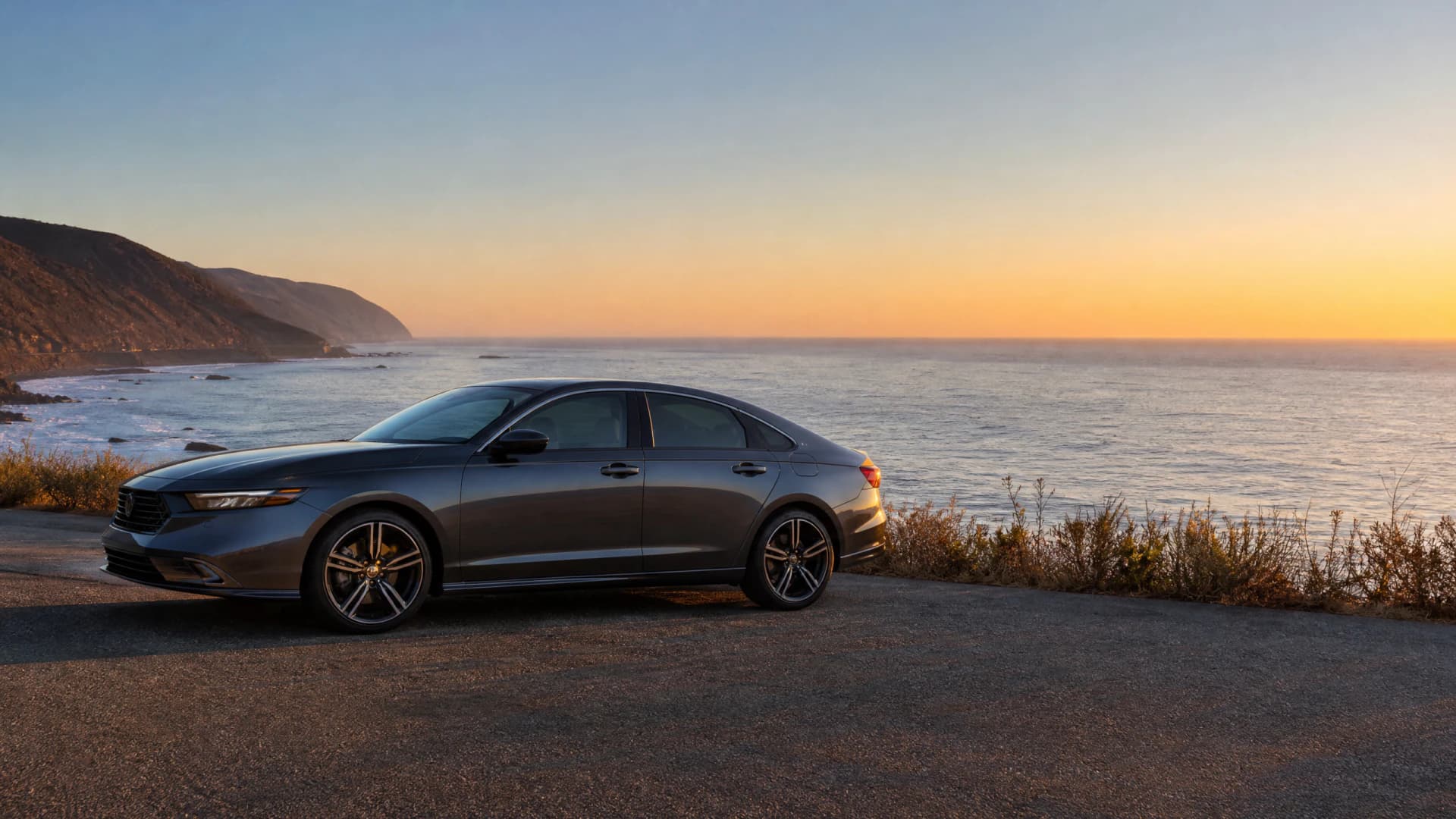
Many Gilbert seniors drive paid-off vehicles worth $8,000-$15,000 and question whether comprehensive and collision coverage still justify their cost. The standard rule: if your annual premium for comprehensive and collision exceeds 10% of your vehicle's current value, consider dropping to liability-only coverage. For a 2014 Honda Accord worth $10,000, that threshold is roughly $1,000 per year in combined comp/collision premiums.
In Gilbert, comprehensive coverage typically costs $180-$320 annually for seniors with clean records, while collision adds another $280-$480 depending on your deductible. If your vehicle is worth $12,000 and you're paying $700 combined, the math favors keeping coverage — one accident could total your vehicle. But if you're paying $1,200 on a vehicle worth $9,000, you're essentially self-insuring at premium rates.
Before dropping coverage, verify three details: your vehicle's actual cash value using Kelley Blue Book or NADA (not what you think it's worth), your available savings to replace the vehicle if totaled, and whether you have a loan or lease requiring full coverage. Most Gilbert seniors dropping to liability-only keep comprehensive coverage ($15-25/month) for protection against theft, hail damage, and vandalism while removing collision. This hybrid approach balances cost reduction with practical risk management for Arizona's monsoon season and vehicle theft rates in the Phoenix metro area.

Medical Payments Coverage and Medicare: How They Work Together in Arizona
Arizona requires minimum liability coverage of 25/50/15 (bodily injury and property damage) but doesn't mandate medical payments (MedPay) or personal injury protection. Most Gilbert seniors assume Medicare covers all accident-related medical costs, but Medicare treats auto accidents as secondary coverage — your auto insurance pays first, then Medicare covers remaining eligible expenses.
MedPay coverage ($1,000-$10,000 limits) costs Gilbert seniors roughly $4-$12 monthly and pays immediately after an accident regardless of fault, covering deductibles, copays, and expenses Medicare doesn't cover. If you're injured as a passenger in someone else's vehicle or hit by an uninsured driver, MedPay covers your out-of-pocket costs before Medicare processes claims. For seniors on fixed incomes, a $2,500 MedPay policy costing $6-8/month can prevent a $2,000+ surprise medical bill from disrupting your budget.
One often-missed detail: if you're injured in an accident and the at-fault driver's liability coverage is exhausted, your MedPay and uninsured/underinsured motorist coverage become your primary protection. Arizona's minimum liability limits (25/50) are frequently inadequate in serious accidents. Many Gilbert seniors carry $50,000-$100,000 in uninsured motorist coverage specifically to protect against underinsured drivers — a common scenario in the Phoenix metro area where roughly 12-14% of drivers operate without adequate insurance.

How to Compare Gilbert Senior Driver Quotes Effectively
When comparing quotes in Gilbert, request identical coverage limits from at least three carriers to ensure valid comparisons. Specify your actual annual mileage, ask explicitly about mature driver discounts, and request quotes both with and without comprehensive/collision to see the actual cost difference. Most online quote tools default to higher coverage limits than you may need — verify you're comparing 25/50/15 liability if that's your target, not 100/300/100.
Timing matters: Gilbert insurance rates typically increase 3-8% at annual renewal, but carriers offer new customer discounts of 5-15% that disappear after 6-12 months. If you've been with the same carrier for 5+ years and haven't compared rates, you're likely paying a loyalty penalty of 10-20% compared to what new customers receive. Request quotes 30-45 days before your renewal date to allow time for comparison without a coverage gap.
Three questions to ask every Gilbert carrier: What is your mature driver discount percentage and which courses qualify? Do you offer usage-based or low-mileage programs, and what are the eligibility thresholds? How do your rates change for drivers aged 70, 75, and 80 — can you provide sample premium trajectories? Carriers willing to answer these questions directly are typically more competitive for senior drivers. Those that deflect or provide vague answers often price seniors less favorably.
Frequently Asked Questions
Do Arizona car insurance rates automatically decrease when you turn 65?
No — Arizona doesn't mandate age-based discounts, and most carriers actually begin increasing rates for drivers over 70 regardless of driving record. However, you can offset these increases by claiming mature driver course discounts (5-10%), low-mileage programs (10-25%), and other senior-specific discounts that aren't automatically applied at renewal.
How much can Gilbert seniors save by taking a defensive driving course?
AARP-approved and AAA defensive driving courses typically qualify for 5-10% premium discounts with most major carriers in Gilbert, translating to $240-$480 annually on a standard full coverage policy. The course costs $25-30, takes 4-6 hours, and the discount renews every three years when you retake the course.
Should I drop collision coverage on my paid-off 2015 vehicle in Gilbert?
If your combined comprehensive and collision premiums exceed 10% of your vehicle's current cash value, consider dropping collision while keeping comprehensive. For a vehicle worth $10,000, that threshold is roughly $1,000 annually — if you're paying less, the coverage likely justifies its cost given replacement risk.
Does Medicare cover my medical bills after a car accident in Arizona?
Medicare treats auto accidents as secondary coverage, meaning your auto insurance pays first. Medical payments coverage (MedPay) on your auto policy covers deductibles, copays, and gaps before Medicare processes claims, preventing surprise out-of-pocket costs that can reach $2,000-$3,000 for seniors on fixed incomes.
How often should Gilbert seniors compare car insurance rates?
Compare rates every 2-3 years or whenever your premium increases more than 5% at renewal without a claim or violation. Long-term customers often pay 10-20% more than new customers receive due to loyalty penalties, and senior-specific discounts vary significantly between carriers operating in Gilbert.
Related Articles

Nashville Senior Driver Rates: What You Pay at 65, 70, 75
4/7/2026

Colorado Car Insurance for Seniors — Rate Guide 65+
4/2/2026

Omaha Retired Driver Discounts: Claim What You're Owed
4/7/2026
Snowbird Car Insurance: Splitting Time Between 2 States
4/4/2026

Plano Senior Driver Insurance: Clean vs Accident vs Ticket
4/7/2026

Senior vs Age 50 Auto Insurance: Cost Comparison
4/7/2026